
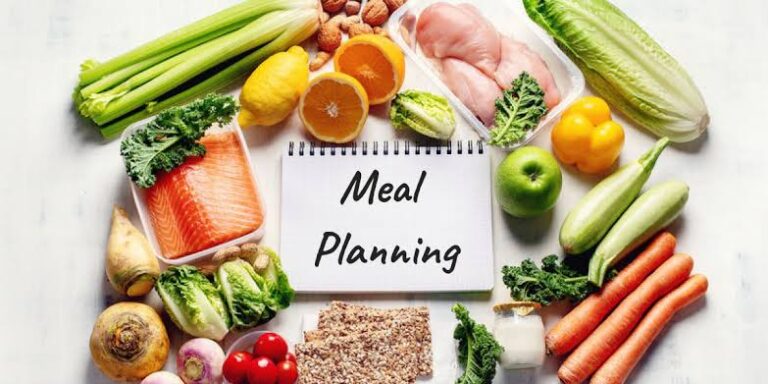
Meal plans can look incredibly convincing online. They come with neat grocery lists, polished photos, macro numbers, and confident promises about saving time, eating better, or finally getting “back on track.”
The problem is that a meal plan can be organized and still be useless for your actual life. Real nutrition advice should understand your schedule, budget, health needs, cooking skills, appetite, culture, and food preferences.
Without that context, it is not really advice. It is just a template wearing a lab coat.
Why personal context changes everything
Personal context is not a bonus feature in meal planning. It is the thing that decides whether the plan can survive past Monday. A healthy meal plan for someone working from home will not automatically work for someone driving all day. A high protein plan may suit one person’s training goals, while another person may need something gentler because of digestion, medication, or blood sugar concerns.
Even official dietary guidance points in this direction. The 2020 to 2025 Dietary Guidelines for Americans emphasize that healthy food choices should reflect personal preferences, cultural traditions, and budget considerations. That is a useful reminder: nutrition is also access, routine, taste, money, and consistency.

A good plan asks before it answers
One easy way to spot shallow meal planning advice is to notice how quickly it jumps into commands. Eat this. Avoid that. Prep these five bowls. Never snack after dinner. Real guidance usually starts with questions, because the same food choice can mean different things depending on the person.
If a site cannot explain its advice clearly, or the copy is packed with vague claims and sloppy wording, that is another trust signal to check. Even running content through a grammar checker can help clean up confusing phrasing, but clean language still needs thoughtful substance behind it.
Red flags that the advice was built for nobody in particular
Some meal plans are not dangerous. They are just lazy. They sound helpful because they use familiar health language, but once you look closer, they do not tell you who the advice is for. That matters on blogs, apps, and AI meal planning tools where speed can replace judgment.
Watch for these signs:
- The plan promises results without asking about your goal.
- It removes whole food groups without explaining why.
- It assumes unlimited prep time, storage space, or grocery access.
- It treats hunger as a discipline problem instead of useful feedback.
If the plan sounds like it could be handed to anyone, it probably was. Good advice has boundaries. It explains who may benefit, who should adapt it, and who should ask a qualified professional first.
What useful meal planning advice actually includes
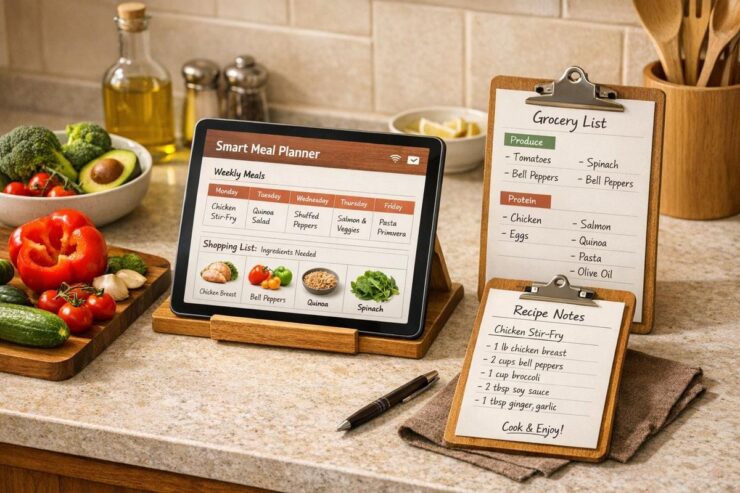
Better meal planning content does not need to be complicated. The best advice often feels calm and practical. It helps readers make decisions, not memorize rules. It also admits that a plan may need adjusting after a few days, because real weeks shift.
|
Weak advice |
Better advice |
| “Eat 1,200 calories daily” | “Match intake to your body, activity, and health goals” |
| “Prep the same lunch all week” | “Choose meals you can repeat without getting bored” |
| “Cut carbs” | “Pick carbs that fit your energy needs and preferences” |
A useful meal plan gives structure without pretending that structure is the whole story. It should help you make flexible choices, not trap you in someone else’s routine.
Meal planning works better when it is flexible
Meal planning itself is not the problem. Rigid, context-free planning is the problem. A 2017 study by Pauline Ducrot and colleagues, published in the International Journal of Behavioral Nutrition and Physical Activity, found that meal planning was associated with better food variety, higher diet quality, and lower odds of obesity, while also noting that causality could not be inferred.
Important distinction: an association does not prove that meal planning caused better health outcomes. It suggests meal planning may support healthier patterns when it fits the person using it.
That is the part many online plans skip. Meal planning can help, but only when it reduces friction rather than creating a second job.

Be careful with perfect plans from social media and apps
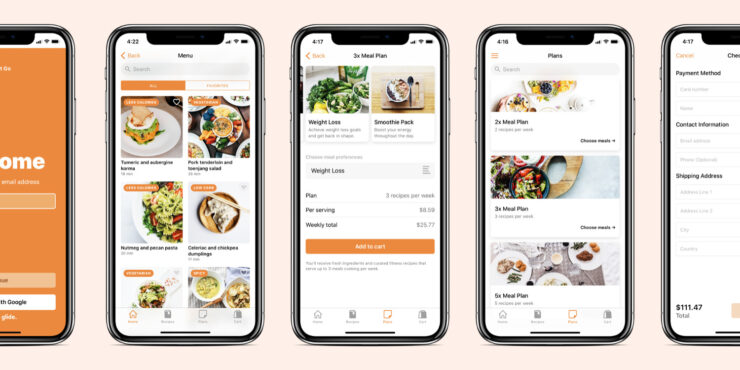
Social media meal plans often look more complete than they really are. A creator may show colorful containers, a calorie target, and a “what I eat in a day” format, but you still do not know their body size, health status, training load, food budget, or whether they ate anything off camera. That makes copying the plan risky.
A 2023 systematic review by Emma Denniss and colleagues reviewed online nutrition information across websites and social media and found wide variation in quality and accuracy. Treat attractive nutrition content as a starting point, not a prescription. The shinier the plan looks, the more you should ask what is missing.
How to use online meal plans without getting misled
You do not have to avoid every online meal plan. Some are genuinely useful, especially when they teach principles, offer swaps, and explain the reasoning behind the choices. Use them like a framework, not a commandment. Take the structure, then adjust the details.
A more realistic approach looks like this:
- Swap foods you dislike for similar options.
- Adjust portions based on hunger, activity, and goals.
- Keep backup meals for busy or low-energy days.
That is how it becomes sustainable. The goal is not to follow a stranger’s week perfectly. The goal is to build a repeatable rhythm that makes eating feel easier, less random, and less stressful.
FAQs
1. Can a generic meal plan be useful for beginners?
Yes, but only as a learning tool. A beginner can use it to understand meal structure, grocery planning, and prep flow. It should still be adjusted for appetite, budget, preferences, and medical considerations.
2. Should meal plans include calories and macros?
They can, but they do not always need to. Calories and macros may help some fitness or medical goals, but they can also distract from food quality, consistency, and satisfaction when used without context.
3. How often should a meal plan be changed?
A plan should change whenever it stops fitting your week. That might mean seasonal swaps, budget changes, new work hours, different training routines, or simply boredom with the same meals.
4. Who should avoid following online meal plans without help?
Anyone managing diabetes, kidney disease, eating disorder recovery, pregnancy, food allergies, digestive conditions, or complex medication needs should get personalized guidance from a qualified professional before following online nutrition advice.
At the end
A good meal plan should make life easier, not smaller. If advice ignores the person using it, the plan may look organized while still being unrealistic. The strongest meal planning advice leaves space for preference, culture, budget, hunger, health needs, and daily life.
So before trusting a plan, look beyond the pretty layout. Ask who it was designed for, what assumptions it makes, and whether it gives you room to adapt. That is where useful guidance starts.